
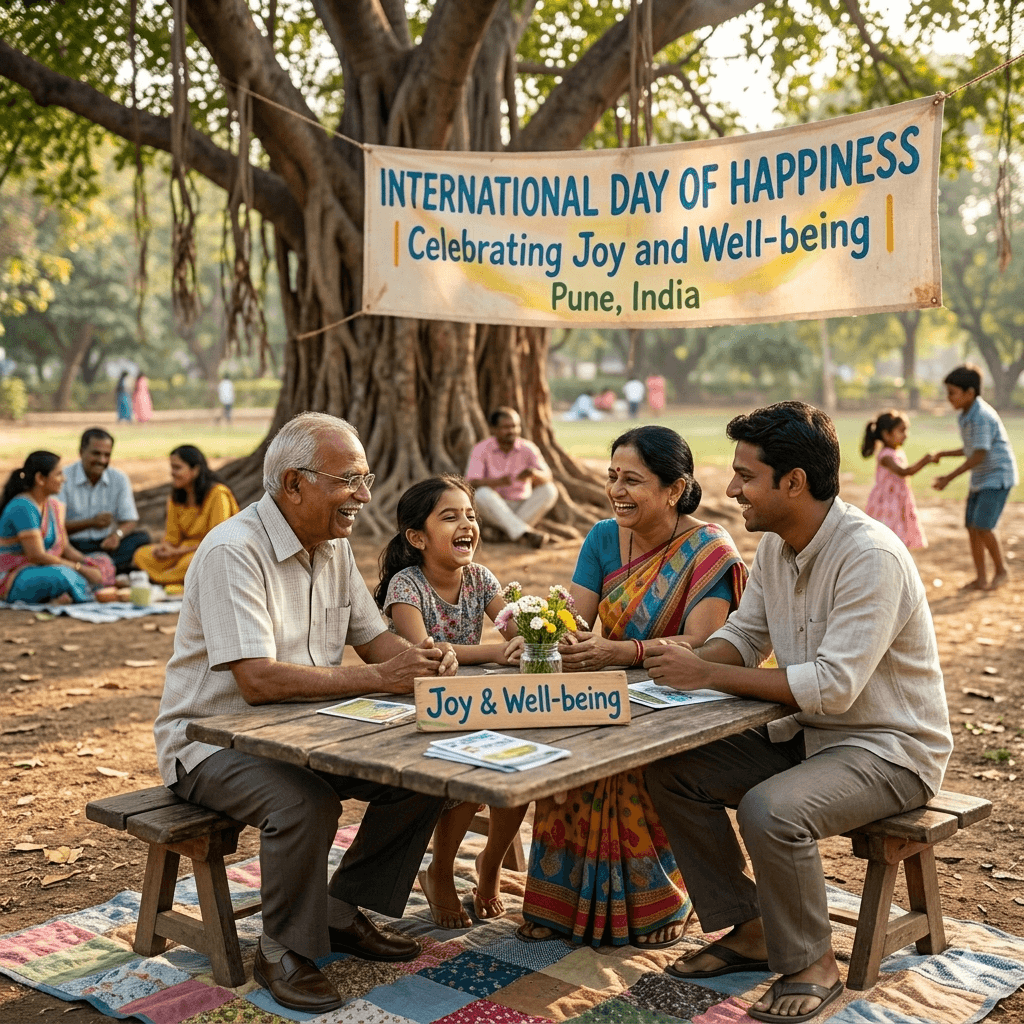
March 20th marks the International Day of Happiness, a global event that recognizes the importance of happiness and well-being in people’s lives. This day, established by the United Nations in 2012, aims to promote happiness as a fundamental human goal and encourage countries to prioritize citizens’ well-being.
The Significance of Happiness
Happiness is a universal aspiration, transcending cultures and borders. Research shows that happiness contributes to better health, stronger relationships, and increased productivity. The International Day of Happiness highlights the importance of happiness in achieving sustainable development and improving lives.
Key Themes and Objectives
– Happiness for All: Emphasizing happiness as a universal human right.
– Sustainable Development: Linking happiness to environmental sustainability and social progress.
– Well-being: Promoting mental health, kindness, and gratitude.
Ways to Celebrate
– Acts of Kindness: Perform small acts of kindness for others.
– Gratitude Practice: Reflect on things you’re thankful for.
– Connect with Nature: Spend time outdoors and appreciate nature’s beauty.
– Spread Positivity: Share happy moments on social media using #InternationalDayOfHappiness.
The Global Happiness Report
The UN releases an annual Global Happiness Report, ranking countries based on factors like GDP, social support, life expectancy, and perceived happiness. This report provides insights into global well-being trends.
Happiness in India
India has initiatives like the Happiness Curriculum in schools, focusing on emotional well-being and mindfulness. Community-driven happiness programs also promote social connections and mental health.
