
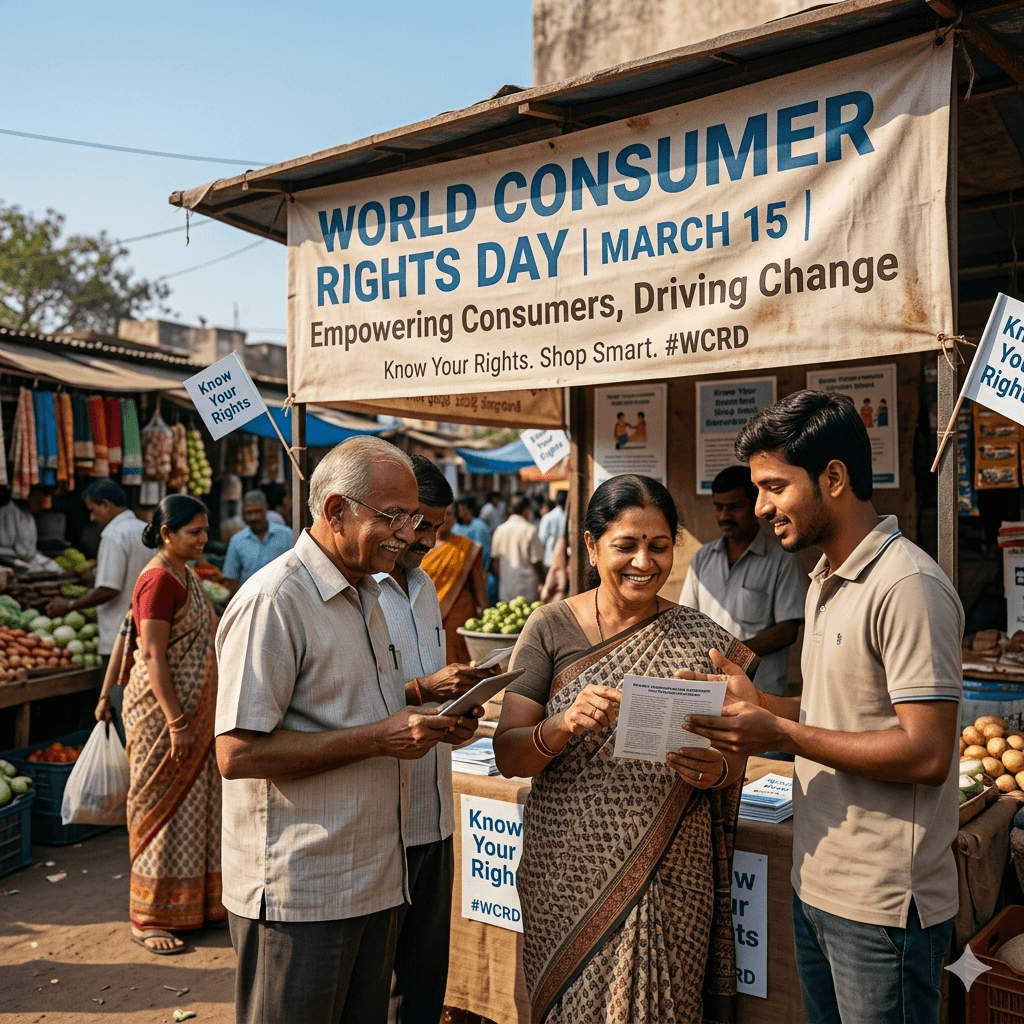
World Consumer Rights Day, observed annually on March 15th, is a global event that raises awareness about consumer rights and protection. This significant day commemorates the historic speech by US President John F. Kennedy on March 15, 1962, where he outlined four fundamental consumer rights: the right to safety, the right to be informed, the right to choose, and the right to be heard.
The Evolution of Consumer Rights
Since Kennedy’s pioneering speech, the global consumer movement has made significant strides. In 1985, the United Nations added four more rights to the original four: the right to redress, the right to consumer education, the right to satisfaction of basic needs, and the right to a healthy environment. Today, consumer rights encompass a broad spectrum of issues, including product safety, fair pricing, data protection, and sustainable consumption.
Key Consumer Rights and Issues
1. Right to Safety: Protection from hazardous goods and services
2. Right to Information: Access to accurate product information
3. Right to Choose: Availability of competitive products and services
4. Right to be Heard: Mechanisms for grievance redress and feedback
5. Right to Redress: Compensation for defective products or services
6. Right to Consumer Education: Access to consumer education and awareness
7. Right to a Healthy Environment: Promotion of sustainable consumption and environmental protection
Challenges in the Digital Age
The digital revolution has transformed consumer behaviour, presenting new challenges and opportunities. E-commerce, digital payments, and social media have expanded consumer choices but also raised concerns about data privacy, online scams, and unfair trade practices. Consumers face issues such as misleading online advertisements, data breaches, and difficulty in seeking redress for digital transactions.
Empowering Consumers: Best Practices
1. Stay informed about products and services
2. Read reviews, compare prices, and check product specifications
3. Report unfair trade practices and file complaints with consumer forums
4. Protect personal data and be cautious of online scam
5. Support sustainable and eco-friendly products
Government Initiatives and Consumer Protection
Governments worldwide have enacted laws and regulations to protect consumer rights. In India, the Consumer Protection Act, 2019, establishes a robust framework for addressing consumer grievances, promoting fair business practices, and ensuring product and service quality. Regulatory bodies like the Central Consumer Protection Authority (CCPA) work towards safeguarding consumer interests.
The Role of Businesses and Organizations
Companies play a pivotal role in upholding consumer rights. By adopting ethical business practices, ensuring product quality, and prioritizing customer satisfaction, businesses can build trust and loyalty. Corporate Social Responsibility (CSR) initiatives focused on consumer education and empowerment can drive positive change.
Conclusion
World Consumer Rights Day serves as a reminder of the ongoing need to protect and promote consumer interests. As consumers, we must stay vigilant, informed, and proactive in asserting our rights. Governments, businesses, and civil society organizations must collaborate to create a fair, transparent, and sustainable marketplace.
